
For numerous reasons, Uganda is best referred to as the Pearl of Africa. Ideally, you can locate almost anything you want to see in Africa! You will not only be in awe of the stunning scenery while you are here, but you will also love discovering the area’s natural treasures, a wide variety of species, perfect climate, organic food and interactions with the most genuine, kind, and hospitable people.
This landlocked nation is roughly 241,559 square kilometres in size, of which 37,000 square kilometres are mostly made up of water, while the remaining portion is land. It shares borders with several nations: the Democratic Republic of the Congo (DRC) to the west; South Sudan to the north; Kenya to the east; Tanzania and Rwanda to the south. It gained independence from Britain on October 9, 1962, and adopted a flag with six horizontal bands of red, yellow, and black with a Grey-Crowned Crane in the middle.
Uganda National Parks
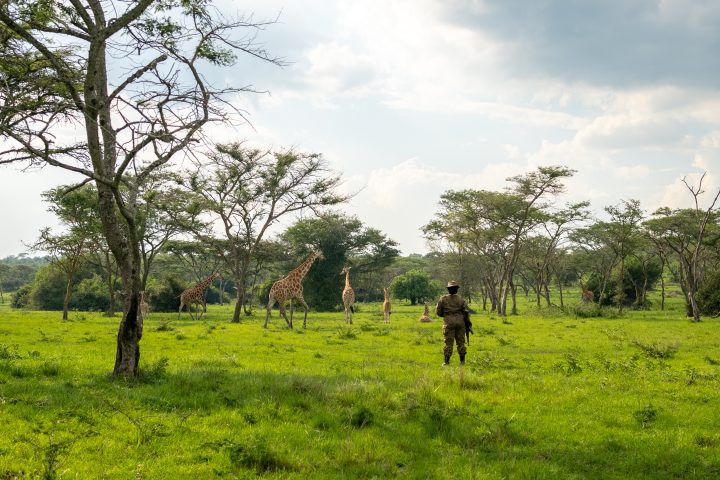
Step Into the Wild: A Walking Safari in Lake Mburo National Park, Uganda
Step into the wild with a thrilling walking safari in Lake Mburo National Park, Uganda. Discover zebras, Buffaloes, Elands, Topi, Warthogs, impalas, Hippos, giraffes, birds and breathtaking savannah scenery on foot. A perfect adventure for nature lovers seeking an up-close, unforgettable African experience. There’s something extraordinary about exploring the African wilderness on foot—feeling the earth…Continue reading→
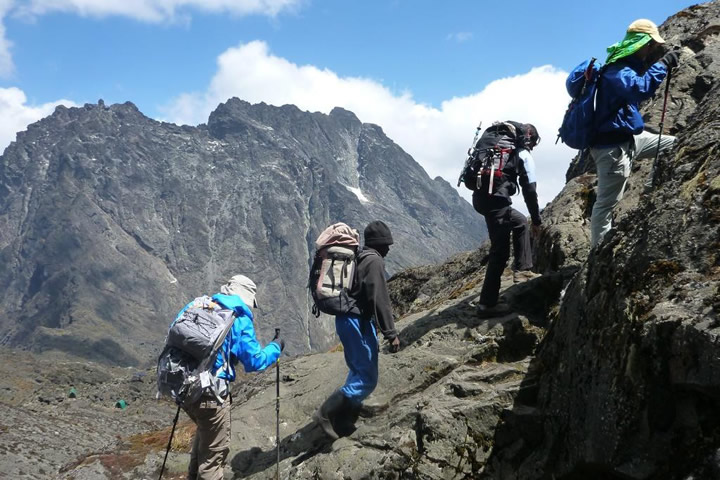
15-Day Mountaineering and Wildlife Safari in Uganda
Embark on an epic 15-Day Mountaineering and Wildlife Safari in Uganda, where adventure meets wildlife in one unforgettable journey. Scale the majestic Rwenzori Mountains, trek through lush forests, and witness mountain gorillas and chimpanzees in their natural habitats. Rwenzori Mountains National Park is one of the UNESCO World Heritage sites in Uganda. Experience thrilling game…Continue reading→
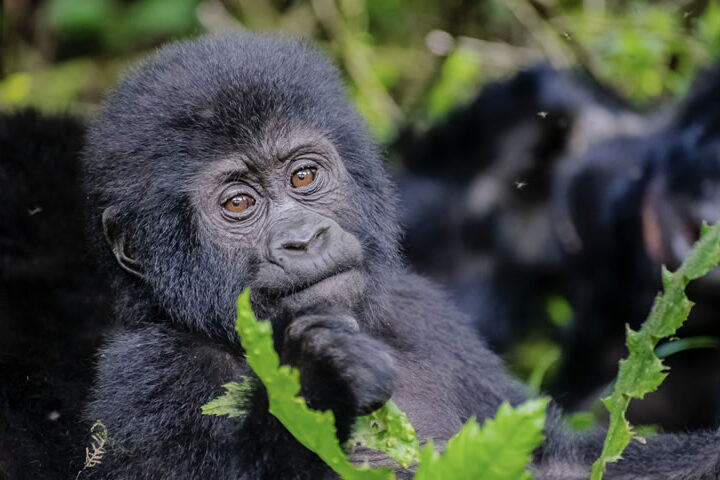
3-DAY GORILLA HABITUATION SAFARI
3-DAY GORILLA HABITUATION SAFARI A 3-day Uganda gorilla Habituation Safari takes you through a gorilla habituation experience in the lush tropical rainforest of Bwindi National Park. It is a short tour but an exciting safari designed for those who would like to get up close and enjoy a behind-the-scenes experience with a group of mountain…Continue reading→
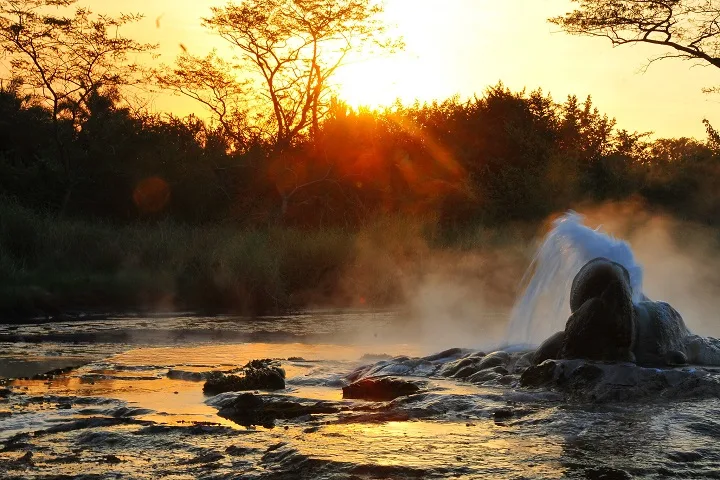
Semuliki National Park
Semuliki National Park is located in the western region of Uganda in Bundibugyo District. It lies on the border of Uganda and the Democratic Republic of Congo. It covers an estimated area of approximately 219 square kilometres and is located in the Albertine Rift of the western arm of the East African Rift Valley. The…Continue reading→
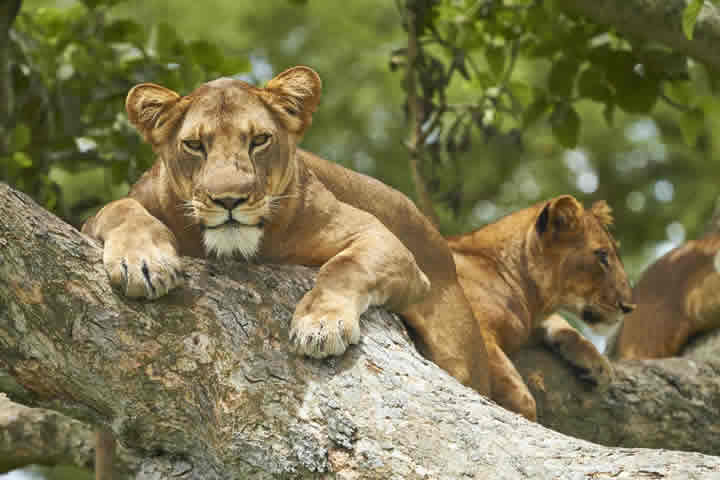
Queen Elizabeth National Park
Queen Elizabeth National Park is the most popular safari destination in Uganda, located in the western region. The park was established in 1952 as Kazinga National Park before it was renamed Queen Elizabeth National Park. It was named after the Queen of England, Queen Elizabeth II, after she paid a visit to the park in…Continue reading→
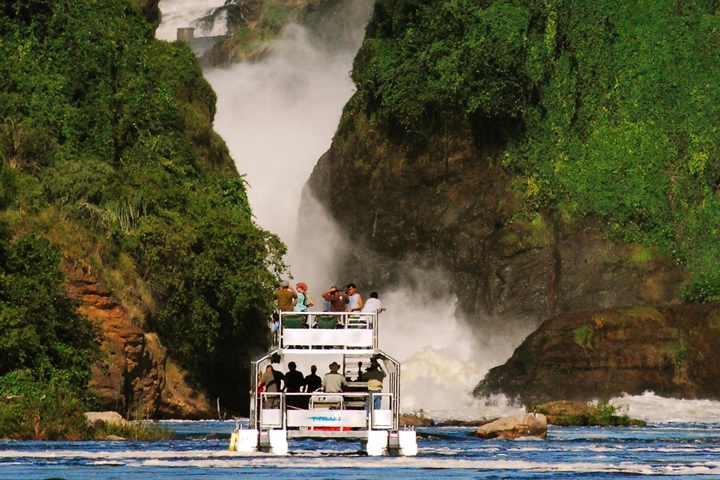
Murchison Falls National Park
Murchison Falls National Park is nestled in the northwestern part of Uganda. Murchison stands as a testament to the awe-inspiring beauty and biodiversity that Africa has to offer. Spanning over 3,840 square kilometres, making it the largest protected area in the pearl of Africa, this pristine wilderness is a haven for nature enthusiasts and adventurers…Continue reading→
Rwenzori Mountains National Park
Rwenzori Mountains National Park is located in the western part of Uganda at the border of Uganda and the Democratic Republic of the Congo. The Park is famous for having the highest mountain in Uganda and the second-highest Mountain in East Africa. Are you looking for the best place to do your Uganda hiking adventure?…Continue reading→
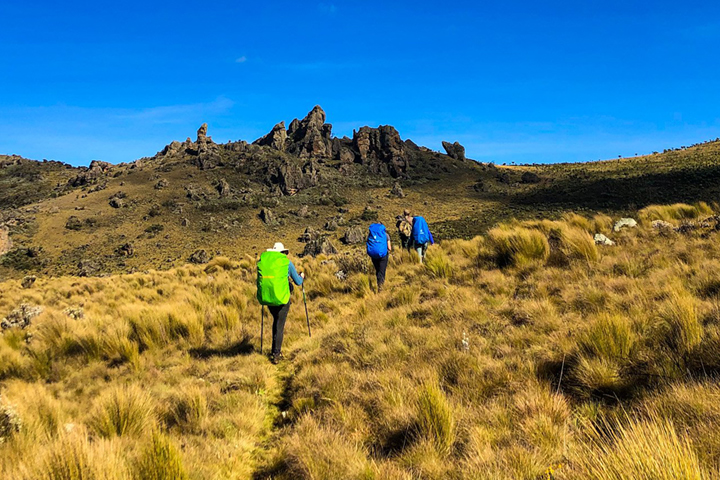
Mount Elgon National Park
Located in the Eastern part of Uganda usually known as the Elgon region, Mount Elgon National Park is a famous tourist destination in Africa. It is shared by two countries, Uganda and Kenya. It covers an area of approximately 1279 square kilometres, with the bigger part being in Uganda and is famous for being home…Continue reading→
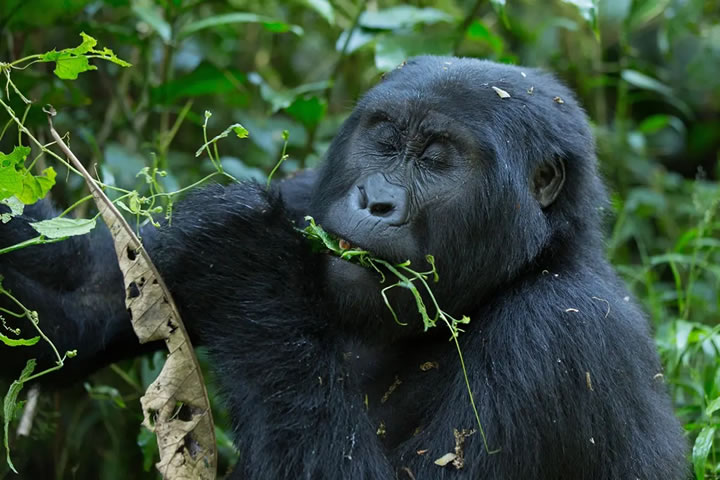
Mgahinga Gorilla National Park
In the extreme southwest of Uganda lies the scenic Mgahinga Gorilla National Park, an outstanding destination that features the most stunning forested volcanoes. Mgahinga is Uganda’s smallest park, but remarkably, it boasts the abundant biodiversity that makes it an exceptional National Park. If you have always wanted to observe both golden monkeys and mountain gorillas…Continue reading→
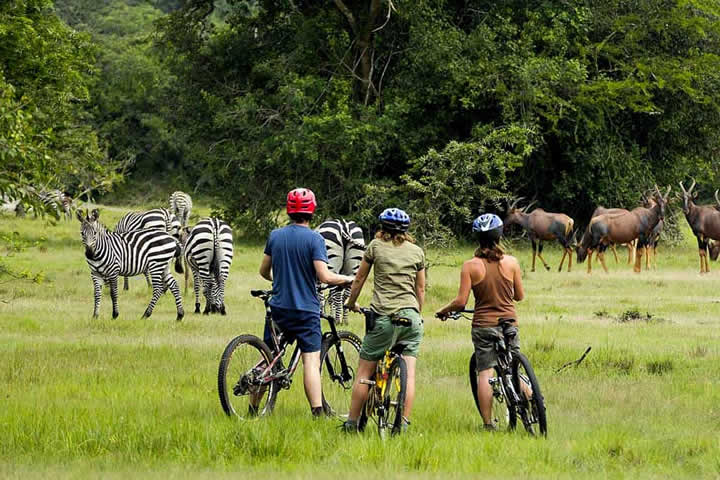
Lake Mburo National Park
Lake Mburo National Park is the most accessible of the 10 game parks from the heart of Kampala/Entebbe. It is a favourite wildlife safari destination in Uganda thanks to its diverse ecosystem. Lake Mburo National Park is strategically positioned and accessible from the route most visitors take on a gorilla safari to Bwindi Impenetrable National…Continue reading→
Uganda is unquestionably among the safest travel destinations, while this cannot be said of all other countries. Nonetheless, recorded crime rates are low, and Kampala, the capital, is among the safest cities in East Africa to visit. But keep in mind that you, the tourist, are always the first to be safe, so never venture out after dark!
Travellers who are organising safaris should be aware that this is a cash-based nation, with the Uganda shilling being the primary currency. Other currencies, though, are also accepted, including US dollars, pounds, and other currencies. You can visit any of the numerous forex bureaus to convert any foreign currency into Ugandan shillings for simple spending in the local market. Visas can be used at some ATMS in cities, but if you have an international card, you may be able to use it, particularly at upscale hotels.
Landscape of Uganda
Uganda is one of the African states that was affected by the uplift, particularly in its mostly hilly southwest. One of the highest mountain ranges on the continent, the Rwenzori Mountain range, is located in the vicinity of this area. Mount Elgon, Muhabura, the Virunga volcanoes, and other places are among them. The majority of Uganda is made up of water, including lakes, rivers, and swamps, making it a generally greener country. It is the source of the Mighty River Nile and a portion of the common Lake Victoria. Lake Edward, Lake George, Lake Albert, Lake Bunyonyi, Lake Mutanda, Lake Kyoga, and more lakes.
Tourist Attractions in Uganda
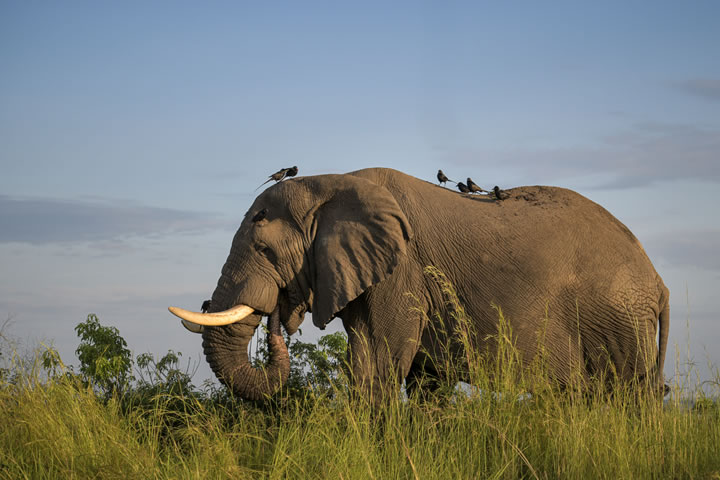
Natural treasures abound in Uganda, with ten national parks serving as the primary safari destinations. These parks are home to a diverse array of animals, including forest and savanna grassland inhabitants. Notable parks worth visiting if you’re interested in seeing animals include Murchison Falls National Park, Queen Elizabeth National Park, Kidepo Valley National Park, Lake Mburo National Park, and Semuliki National Park. Elephants, buffalo, rhinos, leopards, lions, giraffes, zebras, several antelope families, and about 1090 different bird species can be seen in Uganda. For those interested in seeing primates, the best places to visit are Bwindi Impenetrable Forest National Park and Mgahinga Gorilla National Park in the southwest of the country. Mountain gorilla trekking and other fantastic safari activities are popular in these two parks, while the greatest locations to track chimpanzees are Budongo Forest, Kibale Forest National Park, Kalinzu Forest, and Kyambura Gorge in Queen Elizabeth National Park.
In addition, the Kasubi Tombs, Bwindi Impenetrable Forest National Park, and Rwenzori Mountains National Park are among the three UNESCO World Heritage Sites.
One of Africa’s seven natural wonders, Lake Victoria source of the Nile, is protected by Uganda. Over 6,650 kilometres, the powerful River Nile flows through a number of countries, including Uganda, Ethiopia, South Sudan, Sudan, and Egypt.
Best time to visit Uganda
Are you arranging a vacation to Uganda?
Uganda is a year-round safari destination due to its exceptional weather and climatic conditions. Huge water bodies and forests have a major impact on the climate there. Before you leave on your journey, be aware of the two important seasons: the rainy and the dry.
The majority of tourists on Uganda safaris believe that the dry season, which lasts from June to September and from December to February, is the most suitable. But depending on what you want to do, the rainy season is also the finest. For birdwatchers, it’s the perfect time to see the majority of migratory bird species. Uganda’s temperatures vary from 26 degrees Celsius during the day and 16 degrees Celsius at night.
What to pack for a safari in Uganda
Every traveller to Uganda has a different reason for visiting, but if trekking with the gorillas or chimpanzees is your ultimate goal, don’t forget to pack water-resistant, lightweight hiking boots or shoes, long-sleeve shirts or t-shirts, insect repellent, sunscreen, a hat, warm gloves, a camera without a flashlight, and other necessities.
Getting to Uganda
The most convenient method to enter and exit Uganda is through air travel, landing at Entebbe International Airport. Airlines such as KLM, Qatar Airways, Brussels, Egypt Air, Kenya Airlines, South African Airlines, Ethiopian Airlines, RwandAir, Etihad Airways, Emirates Airlines, Uganda Airlines, to name a few, serve Entebbe Airport. The eastern border regions, which are reachable by road from Kenya, are Busia and Malaba. Others are Mutukula from Tanzania, and Katuna and Chanika from the border with Rwanda.